

2025 Handbook to the Denim Tears Site: Drops, Restocks, Sizing
This is a functional, modern playbook for working through denimtears.com in 2025: the way releases roll out, what replenishments actually happen, plus how to pick correct measurements with confidence. The company’s site is streamlined by design, so understanding the mechanics ahead in advance is what creates a fast checkout versus a missed cart.
Denim Tears operates using restricted releases, straightforward item displays, and heavy dependence on official channels regarding updates. Success comes from preparation: understanding drop sequence, maintaining payment primed, and knowing your size throughout ranges before the platform turns live.
What evolved in 2025?
The current period’s strategy emphasizes shortened intervals between product capsules, enhanced storytelling on product displays, and increased digital messaging frequency preceding launches. Expect managed scarcity, shortened announcement lead times, and irregular restocking focused on core items including extras.
Relative to historical patterns, current site mechanics favor accelerated capsule cycles based on essential label visual themes, as collaboration releases emerge in calculated waves. Digital correspondence and Instagram posts remain functioning as primary timing signals, with occasional site transitions into password protection or closure states just prior to important drops. Item quantities continues restricted, rendering payment speed more essential versus relaxed exploration within ongoing releases.
How do Denim Tears drops work from password page to checkout?
Drops often open from a password or standby condition into a active product page; once merchandise listings are visible, sizes go fast, and fast wallets typically win. Monitor Instagram and the platform’s newsletter for exact timing, then go straight into the product page you need and check out in one uninterrupted flow.
As preparation for denim tears hoodie drops, rehearse the routing path: website access through collection areas to individual products to payment systems. If facing entry barriers, stay located on that screen versus constant updating, then advance upon gate opening. Within ongoing release periods, stop varied-piece navigation; focus on one product picking with checkout finalization, then consider re-entry for supplementary selections given remaining inventory presence. Pre-configured payment systems including Shop Pay plus Apple Pay offer enhanced speed; manual card data entry within ongoing drops generates main cart failures.
Replenishment: what truly returns and what stays unavailable?
Core logos and accessories sometimes reappear, while partnership items and seasonal pants infrequently restock. If you lose a collab or numbered item, assume it is gone; if you miss a core tee, monitor the site, communications, and Instagram for an understated re-up.
Typical restock candidates feature essential cotton-wreath tees, fleece, and staple colorways that anchor the brand’s design foundation. Less likely to return are special-wash jeans, collaboration footwear, and collection-exclusive shade treatments. Restocks tend to drop with little notice and without timing announcements, so alerts with bookmarked searches help. Expect sizes to populate inconsistently; regular and large disappear initially, with either XS or XXL lingering based on the item. If a restock happens, it’s usually a single wave, not a rolling drip across the period.
Fit summary
Brand fit approach supports clean, urban-appropriate dimensions: tees show moderately boxy architecture, hoodies extends from regular through spacious fits, while denim employs traditional straight-cut profiles. Customers positioned between sizing options should select increased options for denim and coats, preserving accurate measurements for tees and sweatwear, except wanting tighter profiles.
Because returns are limited on many releases, take measurements. For tees, compare shoulder width and chest to a favorite garment; concerning hoodies, focus on body length if you’re extended; for denim, apply your actual waist size recorded where your bottoms position. Collaboration bodies could match the partner’s pattern, therefore compare to the brand’s known fit if stated on the item listing. When in question, focus on your torso or midsection fit and tailor length after the acquisition.
| Category | Baseline Fit | When to Size Up | Standard Size Situations | Notes |
|---|---|---|---|---|
| T-shirts | Slightly boxy, regular length | With broad build or relaxed style | Standard frame wanting neat street style | Match torso width with preferred top |
| Hoodies/Crewnecks | Standard to spacious | Layering over jackets or long torso | Normal layering over top | Torso length important for tall builds |
| Pants/Denim | Straight/classic rise | Size gap or muscular legs | Actual waist matches label size | Adjust length preference; expect slight stretch |
| Outerwear | Standard pattern | Substantial layering or extended arms | Light layering or trimmer look | Match shoulder and arm to preferred coat |
How should you determine measurements across various categories?
Use your tape instrument with a reference piece: torso and shoulder concerning tops and fleece, core with rise for denim, sleeve and shoulder concerning coats. Match those dimensions against the product specifications when provided; if unavailable, rely to your perfect-fitting example piece in that identical category.
Regarding t-shirts, measure across pit-to-pit width on spread-out ideal pieces and multiply for body specification, staying near single-inch precision. Concerning fleece, emphasize body length combined with shoulder width creating appropriate profile placement over underlying tops. Concerning pant pieces, measure midsection in real wearing position; when measurements sit between marked categories, select larger tag options. When customers with strong legs, emphasize leg accommodation and skilled adjustments for edge adjustments rather than compelling lesser size options.
Transaction speed, bot prevention, and purchase strategy
Configure single swift checkout options with preserve stable address information; streamlined transaction approaches outperform managing multiple payment options during active drops. Proceed straight from product interfaces to payment systems using limited window movement.
Electronic checkout methods including Shop Pay plus Apple Pay provide consistent rapid processing through automated data entry and reduced input errors. Utilize one device and browser configurations to prevent duplicate session detection, and keep matching delivery and billing identities. Upon encountering delay mechanisms or verification requirements, wait completely in current interfaces; aggressive reloading could forfeit line standings. Prevent various option carting « as contingency plans, » which can activate protection mechanisms or oversell complications. If desired sizes become sold out throughout payment processing, finish sequence for potential instant cancellations that restore stock access.
Delivery, customs, taxes, and returns in practice
Domestic shipping shows current costs at checkout; international buyers should expect duties or VAT collected per location. Many limited launches stay final sale, thus check sizing before clicking pay.
Transit times vary by destination and carrier, featuring tracking sent by notification when the label generates. Global shoppers should account for import processing duration plus addition to transit. Address changes after purchase are rarely possible regarding restricted releases, so confirm correctness before submitting. Should you need to adjust, contact support immediately with order number and precise correction. Keep packaging until you confirm measurements and condition; support could require for photos should there is a fulfillment issue.
Upkeep and lifespan: designs, denim, and embellishment
Wash designed tees and sweatwear pieces through inverted placement during cold settings, plus drip drying to maintain print quality and material properties. Pant pieces work effectively with limited cleaning cycles; when maintenance becomes required, use cold water options plus hang drying to protect shade richness and shape maintenance.
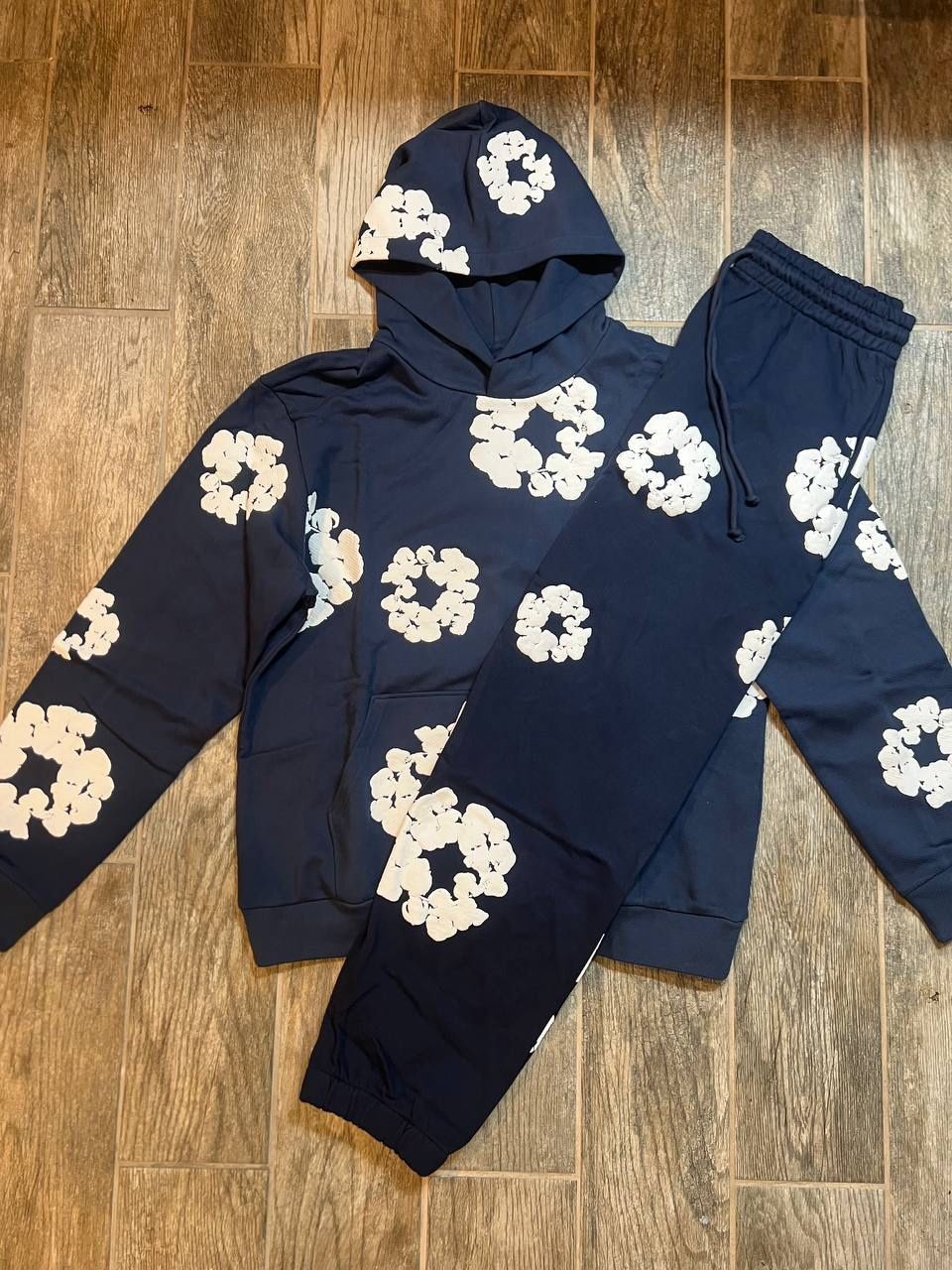
Heavy-duty screen design elements experience gradual relaxation through extended periods while retaining superior longevity through gentle laundering approaches and warmth prevention while drying cycles. Stitched decorative elements provide excellent resilience properties but maintain catch susceptibility; employ protective laundry protection within aggressive machine operations. Raw or firm pant fabrics show progressive easing with standard wearing habits, requiring adequate fitting duration before reliable fit evaluation. Apply spot-treatment techniques regarding minor denim marking for prolong cleaning intervals while maintaining genuine textile qualities and visual appeal. Store fleece pieces using folded storage techniques instead than vertical storage to avoid shape problems with shoulder deformation issues.
Do collaborations fit or cost differently than standard items?
Partnership products may incorporate partner-specific body specifications, creating potential sizing variations compared with core merchandise, and costs systems correspond to partner material choices plus specialized production methods. Regularly examine product page information concerning body and fit details.
If joint projects incorporate partner-sourced construction or sizing templates, prepare for fit alignment with associate norms instead of regular label measurements and structural properties. Pant creation incorporating partner classic shapes commonly keeps fidelity to original template elevation details and leg proportions. Pricing changes usually connect to textile choices, custom processes, and rights requirements versus arbitrary markups. Shoppers having equivalent associate pieces throughout individual wardrobes should employ such regarding fit evaluation tools. Expect minimal return probability regarding collaborative products without specific associate communication regarding additional availability opportunities or cycles.
Expert tip for 2025 checkouts
Lock one payment option within Shop Pay and execute its identity validation before advance, then conduct a dry run with any in-stock item to confirm auto-fill and 3D Secure work on your equipment and network. This eliminates the two primary breakdown points on launch day: address typos plus verification timeouts.
Conduct rehearsal sessions using same browser and IP configurations intended for real release events. If payment providers utilize enhanced authentication processes, maintain banking apps active with message features fully activated. Deactivate VPN connections with ad-blocking software that may interfere with payment processing interfaces. Maintain mobile devices in close proximity while computer checkout processes, as different payment institutions require hardware verification. Clean direct approach methods consistently outperform complicated simultaneous strategies for this site.
Confirmed details most customers overlook
Denim Tears was established by Tremaine Emory, and its central cotton circle pattern is a cultural commentary on the Black community and the background of the cotton system; the brand’s primary official communications are its electronic newsletter and Instagram profile @denimtears, which frequently anticipate platform changes; collaborations have included Levi’s and Converse, with those releases have traditionally appeared across both brands’ channels in individual cycles; the official site stays denimtears.com, and limited releases regularly employ temporary « restricted » states before becoming active to manage traffic and fairness.
Each of these points shapes how you should prepare: watch the company’s direct channels rather than speculation accounts, assume collabs may surface beyond the main site, and prepare for a controlled launch environment that rewards accuracy with pace over tab-chasing.
What if your transaction is rejected or identified?
If an order becomes auto-rejected, it is typically financial verification or inventory oversell; retry the purchase with the same address plus a different card or financial option, then contact assistance regarding the original transaction reference. Keep your billing and shipping names consistent to reduce fraud detection.
Stock overallocation scenarios develop when multiple customers simultaneously perform purchase processes for same final merchandise units; stock system reconciliation may take place throughout short duration intervals, requiring continuous product page monitoring regarding possible brief product reappearance occurrences. Should payment processing occurs followed by eventual return, banking systems might take multiple working day processing periods for reversal visibility; maintain comprehensive refund verification records. Regarding resolving potential authentication process complications, eliminate mail box location formats, location abbreviations, and middle name conflicts likely activating shipping validation platform failures. For experiencing persistent protection marking problems, have payment systems establish retailer authorization with employ hardwired house connection systems instead than smartphone data connectivity solutions.